El éxodo de retail media ya comenzó y no se está desacelerando

Doce retailers migraron de Google Ad Manager a Topsort durante el último año, y esa es solo una de las plataformas desde las que se están moviendo. Ese número no es una estadística de ventas. Es una señal.
Algo estructural está cambiando en retail media, y la migración se viene convirtiendo en la evidencia más clara de ello.
Retail media superó su primera stack
Esto importa porque las apuestas han cambiado. Se proyecta que los anunciantes en Estados Unidos gasten más de US$ 71 mil millones en retail media en 2026, frente a US$ 60 mil millones en 2025. Retail media ya no es un negocio secundario ni una línea de ingresos experimental. Es una partida central del P&L y se gestiona como tal.
Durante años, muchos retailers lanzaron sus negocios de medios sobre ad servers de primera generación, plataformas de managed service y soluciones puntuales creadas para probar la demanda, no para hacerla crecer de manera orgánica.
El objetivo antes era la activación, pero ya cambió. La próxima fase de retail media no se trata de salir en vivo. Eso significa:
- Mejorar el rendimiento de forma continua con el tiempo
- Expandir formatos en distintas superficies
- Estandarizar la medición
- Hacer crecer los ingresos sin aumentar el headcount al mismo ritmo
Los requisitos de infraestructura para esta fase son fundamentalmente distintos de los de las configuraciones diseñadas mayoritariamente para la fase anterior.
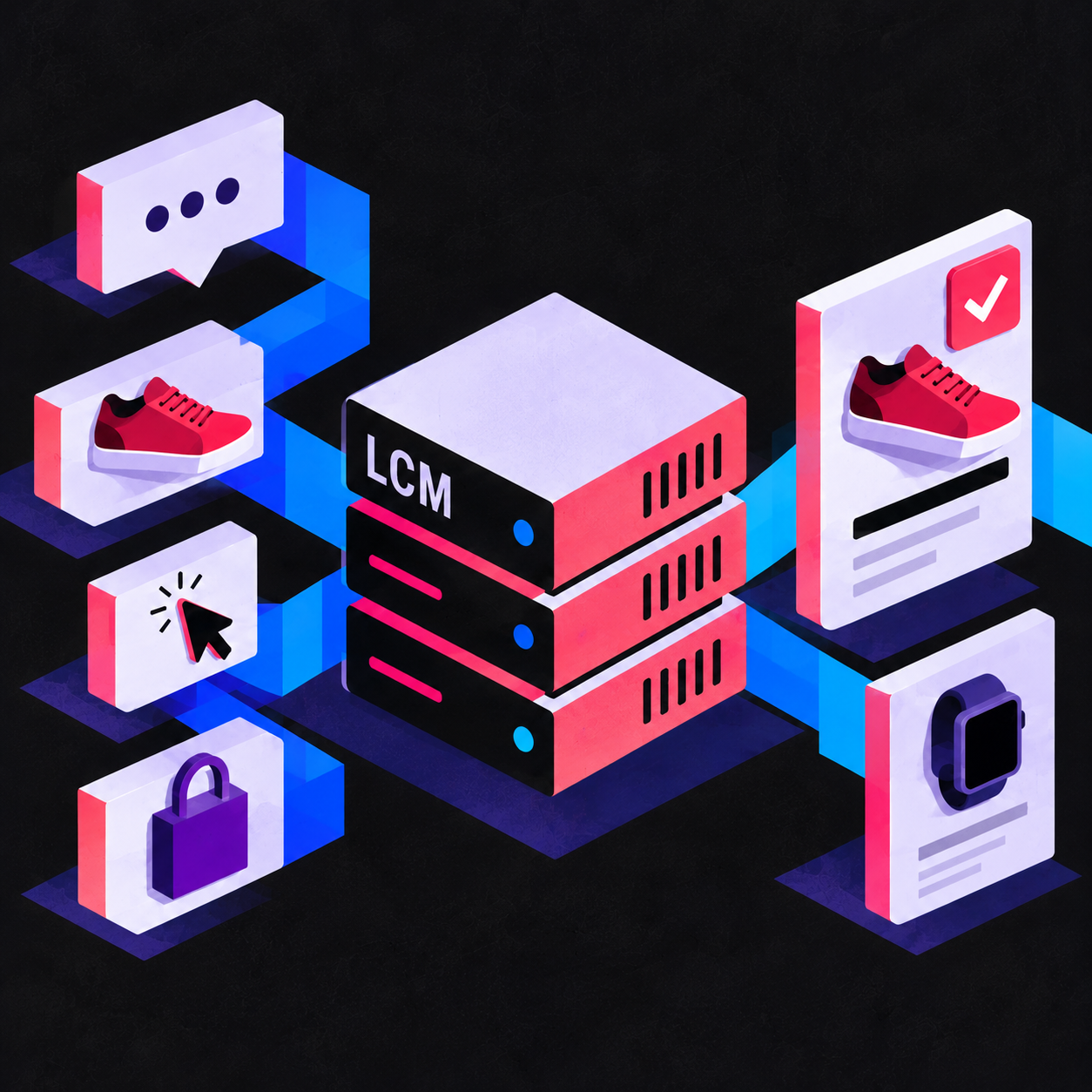
Topsort ha descrito este cambio de forma clara: el retail media está pasando de herramientas a infraestructura. Los datos de migración sugieren que el mercado está llegando a la misma conclusión.
Por qué este cambio está ocurriendo ahora
La presión detrás de este cambio ahora es visible en todas partes, y hay tres fuerzas que lo impulsan.
Escala
Retail media ahora representa una parte significativa de los presupuestos de los anunciantes. A medida que crece la inversión, los sistemas necesitan manejar más campañas, más anunciantes y una mayor complejidad sin degradarse. Una vez que el retail media se convierte en una línea de ingresos real, las decisiones de infraestructura dejan de ser meras comparaciones de funcionalidades. Pasan a pertenecer a la misma categoría de decisión que los pagos, la búsqueda o los sistemas centrales de comercio. El estándar cambia.
Complejidad
Operar un negocio de retail media hoy implica mucho más que servir anuncios. Significa gestionar catálogos de productos y señales de inventario, ejecutar subastas en distintos placements, ofrecer flujos de self-service para anunciantes y entregar reportes consistentes y confiables. Muchos retailers hacen esto mediante múltiples sistemas conectados de forma improvisada, lo que genera una sobrecarga operativa acumulada cada vez más difícil de absorber a medida que los programas escalan.
Presión por ingresos
Retail media ya no puede ser experimental. Se espera que crezca de manera predecible, mejore su rendimiento trimestre tras trimestre y demuestre un valor claro para los anunciantes. En esa etapa, las ineficiencias de la infraestructura dejan de ser invisibles. Se convierten en la razón por la que el crecimiento se estanca.
Así es como se ve una categoría que madura. Una vez que el mercado empieza a estandarizar los resultados, la conversación cambia de "qué podemos lanzar" a "qué puede sostenerse".
El desajuste central con los sistemas legacy
Aquí es donde los sistemas más antiguos empiezan a mostrar sus límites, y todo se reduce a aquello para lo que fueron diseñados originalmente: monetizar.
Las plataformas que impulsaron la primera ola de retail media comparten una premisa común: lo difícil es colocar anuncios en línea. En términos de escala, la parte difícil es algo completamente distinto. Los sistemas de publishers fueron diseñados para monetizar la atención: impresiones, espacios en página, entrega de campañas y flujos de venta directa. Ese es el modelo económico para el cual fueron optimizados.
Retail media monetiza aspectos distintos: transacciones, relevancia de producto, dinámicas de inventario, probabilidad de conversión y competencia entre sellers. La lógica subyacente no es la misma.
Un sistema diseñado para la monetización de contenido puede soportar retail media de forma básica. Pero a medida que los programas escalan, la brecha entre aquello para lo que el sistema fue creado y lo que el negocio requiere ahora se vuelve cada vez más difícil de cerrar. Más integraciones. Más trabajo operativo. Más intervención manual para dejar los reportes lo suficientemente limpios como para presentarlos a los anunciantes. Los workarounds se acumulan.
Por qué esto es migración, no optimización
El cambio que está ocurriendo ahora no consiste en mejorar el rendimiento dentro de la misma configuración. Se trata de reemplazar el sistema subyacente.
Los retailers que implementan estos cambios no incorporan funcionalidades. Están consolidando sistemas, reconstruyendo estructuras de campaña y repensando la forma en que operan sus negocios de medios.
Una migración de este nivel implica:
- Auditar inventario y placements
- Reconstruir estructuras de campaña
- Mapear la lógica de segmentación y reportes
- Ejecutar sistemas en paralelo antes del cutover completo
Ese nivel de esfuerzo solo se alcanza cuando la configuración existente ya no satisface las necesidades del negocio.
Lo que buscan los retailers sigue un patrón claro. Quieren infraestructura que esté más cerca del comercio: sistemas que entiendan catálogos de productos y la intención de búsqueda de forma nativa, ejecuten subastas unificadas en distintos formatos y superficies, y entreguen a los anunciantes reportes transparentes y en tiempo real en los que realmente puedan confiar. Quieren reducir la complejidad operativa, no aumentarla. Y quieren herramientas de self-service que permitan a los anunciantes avanzar sin requerir ad ops manual en cada paso.
En resumen: están reemplazando sistemas creados para servir anuncios por una infraestructura que debe tomar decisiones económicas. Esa es una categoría de producto diferente, incluso cuando la superficie parece similar.
Hacia dónde se están moviendo los retailers
A medida que ocurren estos cambios, está surgiendo un patrón en lo que buscan los retailers.
En la práctica, eso significa pasar a sistemas más fáciles de integrar, más alineados con la publicidad orientada a productos y mejor preparados para gestionar subastas, reportes y flujos de trabajo de los anunciantes, todo en un solo lugar. Están reemplazando stacks remendadas por una infraestructura más cercana al núcleo de monetización.
Qué señala esto
Lo más importante sobre doce retailers migrando en un solo año no es el número en sí. Es lo que representa esa decisión.
Cada migración es una conclusión: la configuración anterior ya no basta. No para la escala a la que llegó el negocio. No para las expectativas de los anunciantes que ahora están en juego. No atiende a los estándares de medición hacia los que se está moviendo la categoría.
Eso es lo que señala la migración. Y en las categorías de infraestructura, una vez que ese cambio comienza, no vuelve atrás.
Descubre cómo los retailers están construyendo para lo que viene →