Retail Media Infrastructure vs. Retail Media Network: What’s the Difference?
.png)
Retail media networks are growing quickly, but the network itself is only part of the picture. Behind every sponsored product, display ad, offsite campaign, and in-store placement is a technology layer deciding what to show, when to show it, and how to measure the outcome.
That layer is retail media infrastructure.
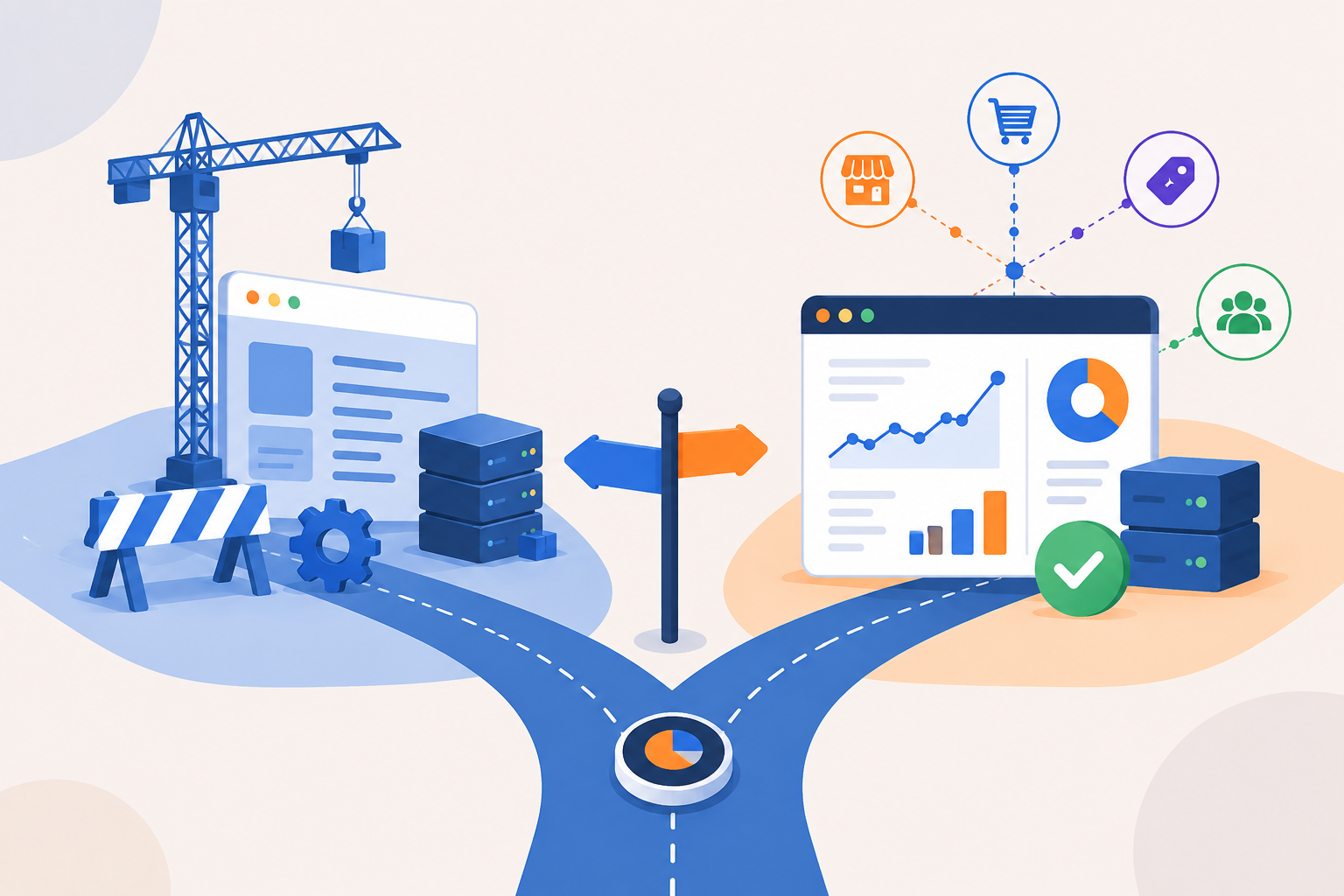
The simplest distinction is this: a retail media network is the business a retailer brings to market; retail media infrastructure is the technology that makes that business work.
Understanding the difference matters because retailers do not scale retail media by adding more ad formats alone. They scale by building connected systems that can manage demand, inventory, decisioning, delivery, and measurement across the commerce journey.
What Is a Retail Media Network?
A retail media network (RMN) is an advertising business operated by a retailer or marketplace. It allows brands and sellers to reach shoppers using the retailer’s first-party data and owned commerce environments.
A retail media network may include:
- Sponsored product listings in search and browse
- Display and video ads across retailer-owned properties
- Offsite campaigns across search, social, and connected TV
- In-store screens and other physical placements
- Campaign management, reporting, and advertiser services
In other words, the retail media network is the commercial offering. It includes the inventory, advertiser relationships, sales strategy, pricing, formats, and services presented to the market.
What Is Retail Media Infrastructure?
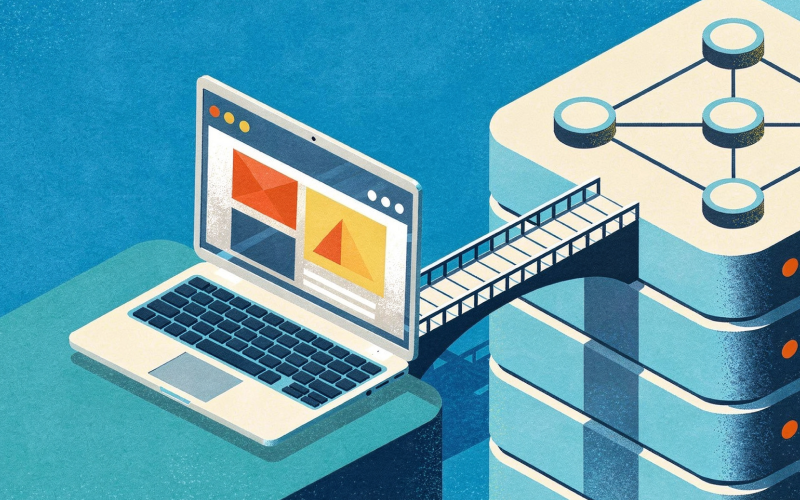
Retail media infrastructure is the underlying technology that powers a retail media network. It connects the systems and decisions required to run campaigns reliably and at scale.
Depending on the retailer, that infrastructure may include:
- Campaign and budget management
- Real-time auctions and ad decisioning
- Product catalog and inventory signals
- Relevance, ranking, and optimization models
- Onsite, offsite, and in-store campaign activation
- First-party data and audience integrations
- Attribution, reporting, and billing
- APIs connecting commerce, advertising, and operational systems
This is where a retail media platform moves beyond serving ads. The infrastructure must understand commerce context: which products are available, which sellers are eligible, what a shopper is likely to buy, and which outcome creates the most value for the retailer, advertiser, and customer.
Retail Media Infrastructure vs. Retail Media Network
The two terms are closely related, but they describe different layers of the business.
A retailer may launch a retail media network with a small number of placements. But as the program grows, weak or fragmented infrastructure becomes difficult to ignore. Separate systems for sponsored listings, display, offsite, and in-store media can create disconnected workflows, inconsistent measurement, and limited control over decisioning.
Why Retail Media Infrastructure Matters
The quality of the infrastructure shapes what a retail media network can become.
Strong retail media infrastructure helps retailers:
- Make better decisions in real time. Auctions, relevance, availability, pacing, and predicted outcomes can work together for every impression.
- Connect channels. Onsite, offsite, and in-store media can operate as parts of one system rather than isolated products.
- Protect the customer experience. Ads can reflect search intent, product relevance, seller eligibility, and inventory status.
- Give advertisers clearer outcomes. Consistent attribution and reporting make it easier to understand what drove engagement and sales.
- Adapt without rebuilding. API-first infrastructure lets retailers introduce new formats, demand sources, and buying experiences as their business evolves.
This becomes even more important as AI changes product discovery. Commerce interactions are becoming more dynamic, conversational, and personalized. A traditional retail media ad server may deliver an ad into a predefined placement. Modern commerce infrastructure must interpret more signals and make connected decisions in real time.
Is a Retail Media Platform the Same as Infrastructure?
Not always. “Retail media platform” is a broad term that can refer to a campaign tool, a self-service advertiser portal, an ad server, or a complete infrastructure layer.
When evaluating retail media technology, retailers should look beyond the label and ask what the platform actually controls:
- Does it make auction and ranking decisions in real time?
- Can it use live catalog, availability, and seller signals?
- Does it connect onsite, offsite, and in-store activation?
- Can it bring together demand from multiple sources?
- Does it provide consistent measurement across formats?
- Can the retailer configure the system around its own business model?
These questions reveal whether a platform is simply another interface or the infrastructure capable of supporting long-term growth.
Building a Retail Media Network That Can Scale
Launching a retail media network is a commercial decision. Scaling one is an infrastructure challenge.
Retailers need more than tools for creating campaigns and filling placements. They need an intelligence layer that connects shopper intent, advertiser demand, product relevance, inventory, and business goals in every decision.
That is the role of modern retail media infrastructure: turning a collection of ad products into a connected, measurable, and adaptable commerce media business.
Topsort builds the AI-native commerce infrastructure behind modern retail media networks, helping retailers and marketplaces run smarter auctions, connect demand, and expand across onsite, offsite, and in-store channels while staying in control of their data and customer experience.
Frequently Asked Questions
What is the difference between retail media and a retail media network?
Retail media is the broader advertising category built around commerce data and shopping environments. A retail media network is the specific advertising business operated by a retailer or marketplace.
What technology powers a retail media network?
A retail media network can rely on campaign management, real-time auctions, ad serving, relevance models, catalog integrations, attribution, reporting, billing, and APIs. Together, these systems form its retail media infrastructure.
Why do retailers need retail media infrastructure?
Retail media infrastructure allows retailers to connect data, demand, inventory, and measurement. It supports better ad decisions, more consistent advertiser experiences, and expansion across channels without relying on disconnected systems.
Is a retail media ad server enough?
An ad server can deliver ads, but mature retail media programs often require broader decisioning capabilities. Commerce media must account for relevance, product availability, seller eligibility, budgets, predicted outcomes, and the customer experience—not simply fill a placement.
.png)